Current condition
Retain the approved message example, exact characters and format, intended marking area and active production job. Identify the source of the batch or producer information and the person authorised to approve a change.
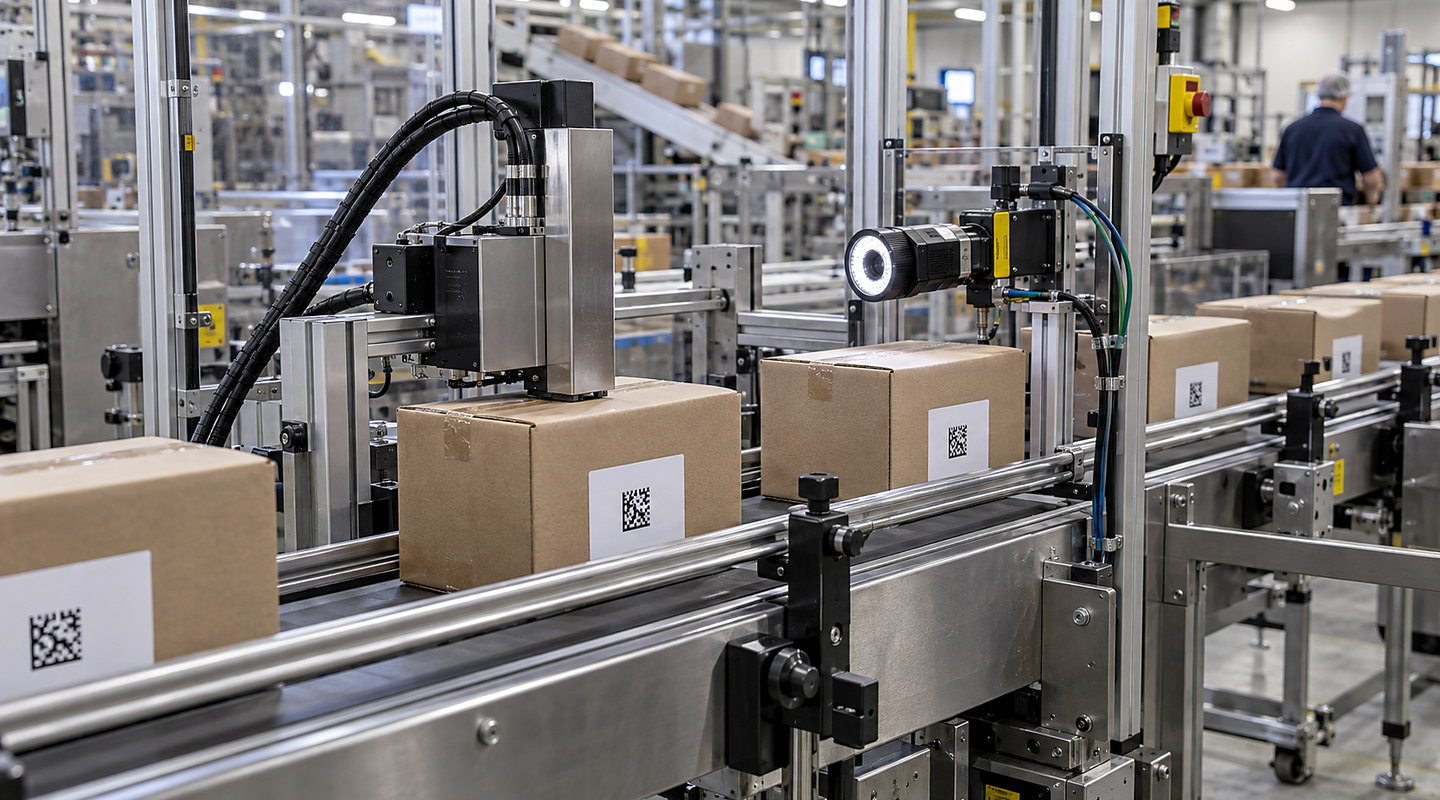
Define egg-coding messages, approved job data, code changes, empty positions, unclear prints and the evidence linking each mark to released production.
Define the exact approved characters, format and marking area, who supplies the production information and who may change it. Keep a retained approved example for the active job. At changeover or restart, check that the intended code reaches the correct eggs; a clear print can still contain the wrong production information.
Use the egg-coding process guide and production specification checklist. The responsible food-business team confirms the applicable marking content and consumable requirements; this planning record does not prescribe a legal code.
Plan egg coding machines around your identifiers, substrates, production events, system interfaces, exceptions and verification records. Discuss a practical data-flow approach with Oxford Traceability. Use this guide to resolve identifier and data rules for egg coding & print handling before it limits the final system.
Discuss your application
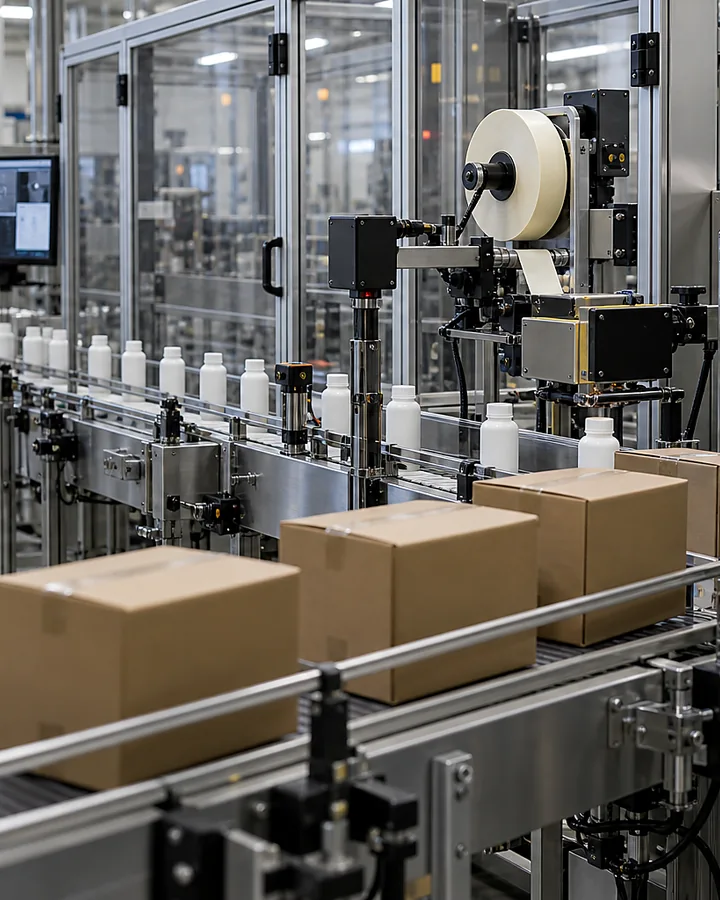
Retain the approved message example, exact characters and format, intended marking area and active production job. Identify the source of the batch or producer information and the person authorised to approve a change.
Include each intended message or job format, normal shell and presentation variation, empty positions and uneven spacing. Record planned stops and job changes with eggs still between stations, together with the first output after idle.
Check the message against the released job separately from character completeness, contrast and print position. Agree how missed or uncertain codes are handled and how an approved repeat print avoids conflicting messages. Retain the job-change and routine-check evidence.
Provide the approved characters, layout and print area, plus the source and change authority for production information. Retain the approved example for each released job and list unresolved content decisions for the responsible food-business team.
Use representative eggs across normal size, colour and surface-condition variation. Record the proposed printer, ink and settings and the supplier suitability documentation for the intended use. Assess drying, legibility and handling effects without inferring approval from one clear dry sample.
State the current line rate, egg spacing, accessible shell area and intended viewing or inspection position. Include orientation changes, empty positions and stops when checking print location and code association.
Map how the released production job supplies the message at the coding point. Identify the source of production information, authorised changes and the routine check that the active message matches the job. Keep unresolved interface decisions visible.
Agree the route for missed, unreadable or misplaced codes and eggs affected by a stop or job transition. Control any repeat print so conflicting messages are not left on the same shell; record damage separately from print rejection.
Keep the approved message example, sample identity, printer/ink/settings and production conditions with the trial. Record message correctness and print quality as separate checks, plus routine checks and job-change/restart observations. Let the responsible organisation define retention rules.